

Finding My Voice: Lessons From the TOGEVA Career Orientation Program
She Must Be a Sunday School Teacher! 😅
That was the playful remark someone made while I was coordinating the TOGEVA Career Orientation Program. At first, I was caught off guard. But later, I found myself reflecting on why the comment was made, and more importantly, on the power of communication.
Public speaking has always been more than holding a microphone for me. It is about presence, intention, and connection. Whether I’m addressing a hall full of secondary school students eager to shape their futures, or professionals seated around a boardroom table, my goal is always the same: to connect.
And connection doesn’t just happen, it’s crafted.
The Art of Connecting With an Audience
As an MC and public speaker, I’ve learned that audiences are like living organisms: they react, shift, and respond in real time. To truly engage them, you need more than just prepared lines. You need awareness and adaptability.
So, what makes a good MC or speaker?
-
Emotional Intelligence
Reading the room is everything. A great speaker senses energy shifts, notices body language, and adapts delivery accordingly. Sometimes that means slowing down, sometimes it means raising energy to reignite the audience. -
Clarity and Articulation
People remember what they understand. The ability to simplify complex ideas into clear, relatable messages makes communication impactful. -
Confidence
Confidence isn’t about being the loudest voice in the room. It’s about presence owning your space, being grounded, and letting your authenticity shine through. -
Adaptability
No two audiences are the same. A joke that lands with students may fall flat with executives. Flexibility ensures relevance. -
Purpose-Driven Storytelling
Speaking to impress is temporary. Speaking to inspire leaves a lasting impact. When stories are tied to purpose, they become bridges that connect speaker and audience.
My TOGEVA Experience
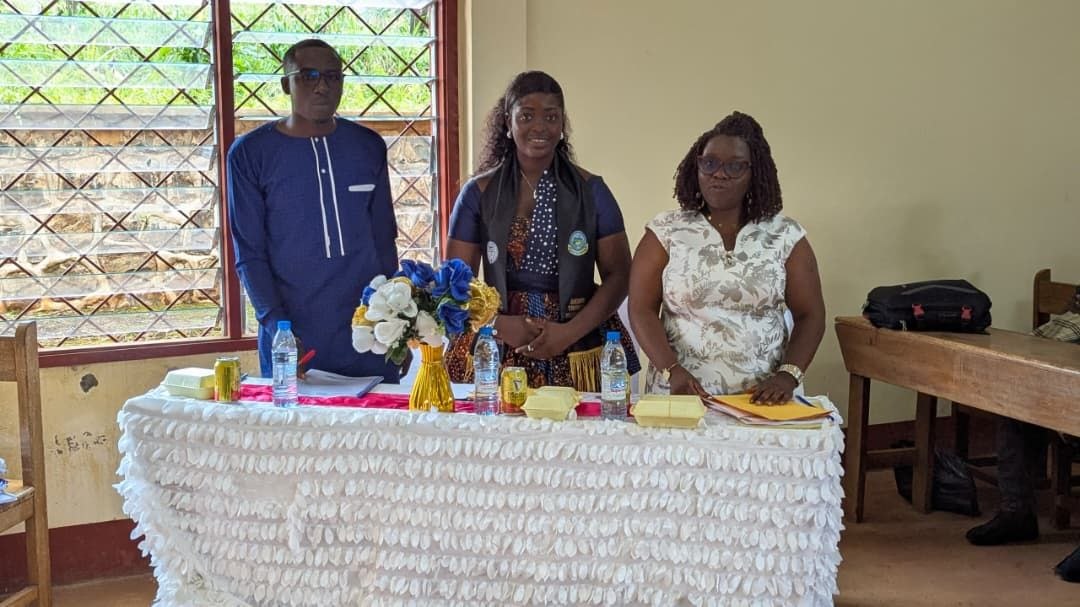
Coordinating the TOGEVA Career Orientation Program was one of those moments that reminded me why communication is such a powerful tool. Picture a crowd of vibrant, ambitious young minds—curious, restless, full of potential. Standing before them wasn’t just about giving instructions or filling silence; it was about engaging their energy, guiding their focus, and inspiring their next step.
The microphone helped amplify my voice, yes. But connection came from something deeper how I looked them in the eyes, how I adapted my tone to their reactions, how I made them feel seen and heard.
At the end of the program, I walked away grateful not just for the opportunity to serve, but for the reminder that every room we step into is a classroom, every stage a chance to grow, and every audience a reflection of the power of human connection.
Final Thoughts
That “Sunday School teacher” comment? It no longer feels surprising. Maybe it was an observation of how I connected, how I simplified, how I cared. And maybe that’s the true lesson—great communication feels like teaching, guiding, and inspiring all at once.
As I continue my journey as a Nurse, Midwife, and Public Speaker, I carry this with me: every word is a seed, every audience is fertile ground, and the harvest is always connection.